
May 2019


- Newswire
- CORPORATE
- China Development Forum
- Meetings with senior Mainland officials
- Senior management appointment
- Grooming future leaders
- Creating a new benchmark for diversity and inclusion
- 2018 Annual Results
- PROPERTY
- Taikoo Li Qiantan officially named
- AVIATION
- Cathay Pacific to acquire Hong Kong Express
- Creative partnership
- BEVERAGES & FOOD CHAIN
- A new name for a new era
- Investment in new production lines
- One Finlays
- Breaking new ground in sustainable waste recycling
- 120-year history, 40th anniversary with Swire
- MARINE SERVICES
- Strategic acquisition
- CNCo orders larger vessels
- Search and rescue
- TRADING & INDUSTRIAL
- Ride for a good cause
- IN THE COMMUNITY
- Transcending borders with art
- Exercise for healthier tendons
- Empowering change-makers
- Setting sail towards better education
- AWARDS & RECOGNITIONS
- Sustainability efforts recognised
- Operational excellence
- Triple win for Swire Resources
- VIEW ALL STORIES
- Centre Stage
- Insider
- People
- Scott Cup 2019
- It takes a Village...
- International Women's Day
- CNCo's first female cadets from PNG
- Hong Kong Sesquicentenary
A power of good
INSIDER
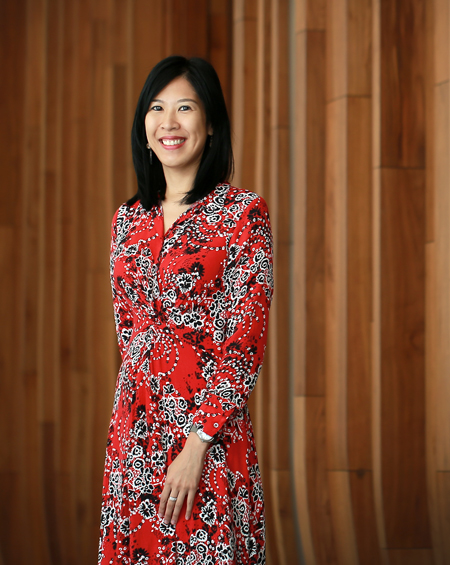
Can you tell us about your role and your personal journey into working in philanthropy?
I have always wanted to make a difference. My major in school and postgraduate study was public policy. I started my career in the for-profit sector before switching into public affairs and lobbying, which I thought would enable me to help people through policy change. However, in that environment you are always working for your client's interests and unfortunately you cannot choose your clients.My next move was working for a family foundation and that was where I started my philanthropy career. I took up my current role a year and a half ago and I really think I have the best job in the world. I get to do what I am passionate about and to work for a company that is genuinely striving to do good in the world.
My role is to recommend initiatives for the Trust to donate to and support, to monitor the supported programmes, and to make recommendations to the Philanthropy Council on strategy and how we should proceed. I also keep the Council informed about social issues that are relevant to our remit.


 View all Newswire stories
 Previous issues
 Share this page
Copyright © 2026 John Swire & Sons (H.K.) Ltd. All rights reserved.

Copyright © 2026 John Swire & Sons (H.K.) Ltd. All rights reserved.