The progress of many of the Group’s businesses was arrested in 2020 by COVID-19. Cathay Pacific was particularly hard hit. The Group recorded an underlying loss of HK$3,969 million in 2020, compared with an underlying profit of HK$17,797 million in 2019. The deterioration in the results was primarily due to a significant reduction in profits on the sale of investment properties and to losses (including impairment charges and restructuring costs) at Cathay Pacific. Disregarding significant non-recurring items in both years, the 2020 recurring underlying loss was HK$609 million, compared with a profit of HK$7,221 million in 2019.
The HAECO Group reported an attributable profit of HK$96 million in 2020, compared with HK$825 million in 2019. Disregarding non-recurring items in both years, the recurring profit of the HAECO Group was HK$370 million in 2020, compared with HK$1,059 million in 2019. The demand for maintenance and repair services at all HAECO Group companies was adversely affected by COVID-19. Financial assistance from governments in Hong Kong and the USA provided some mitigation.
The recurring profit of Swire Coca-Cola was HK$2,076 million in 2020, 31% higher than the profit of HK$1,584 million in 2019. Revenue (including that of a joint venture company and excluding sales to other bottlers) increased by 2% to HK$45,657 million. Volume decreased by 2% to 1,743 million unit cases. Attributable profit increased in all regions. Business was affected by COVID-19, but recovered strongly outside Hong Kong, particularly in the Chinese mainland.
The recurring loss of the Marine Services Division was HK$1,019 million in 2020, compared to HK$1,347 million in 2019. In addition, there were net non-recurring losses (including impairment charges) at Swire Pacific Offshore of HK$4,221 million in 2020 and HK$2,287 million in 2019. Offshore industry conditions were very difficult. Vessel utilisation rates and charter hire rates were lower in 2020 than in 2019. The oversupply of offshore support vessels continued to put pressure on charter hire rates. At the end of the year, SPO reduced its interest in its windfarm installation business when the business was subject to an IPO.
The recurring profit of the Trading & Industrial Division was HK$12 million in 2020, compared with HK$41 million (which excludes net non-recurring losses of HK$493 million) in 2019. The results principally reflected worse results from Swire Resources, as COVID-19 stopped inbound tourism.
Watch videos
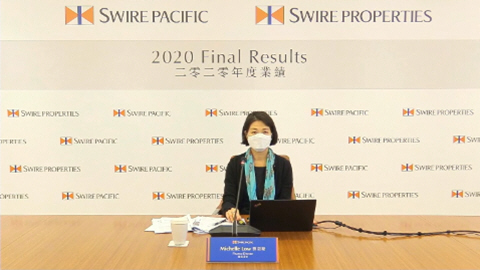
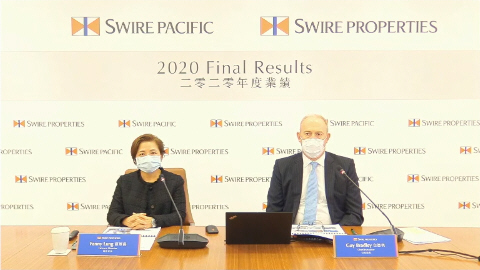
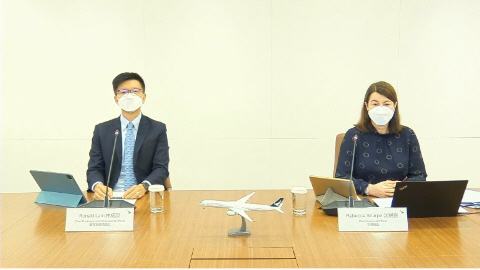
2020 Annual Results Analyst Briefing
Other reference
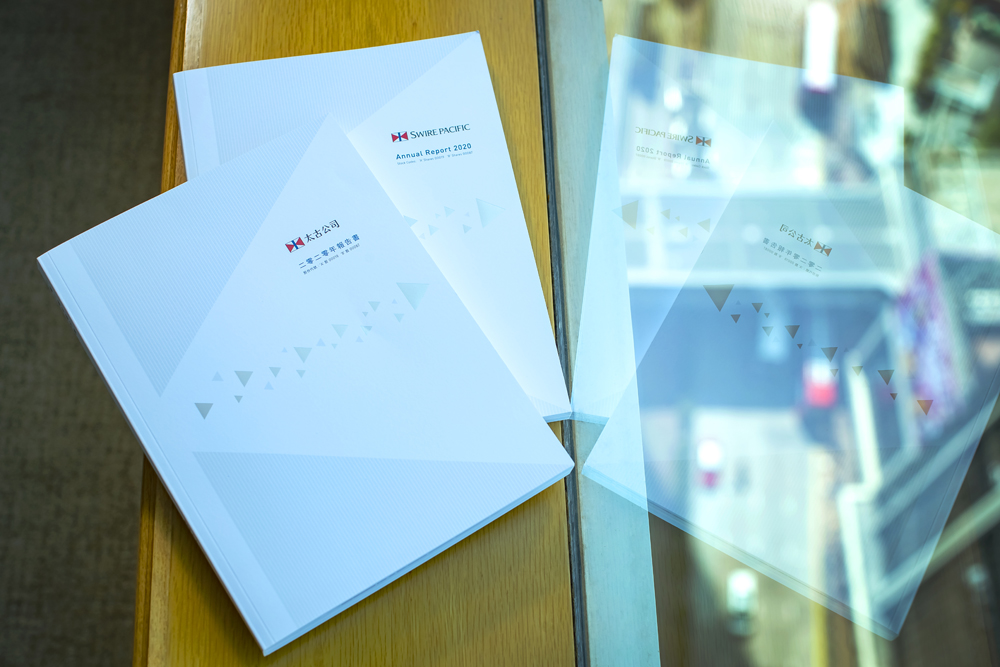
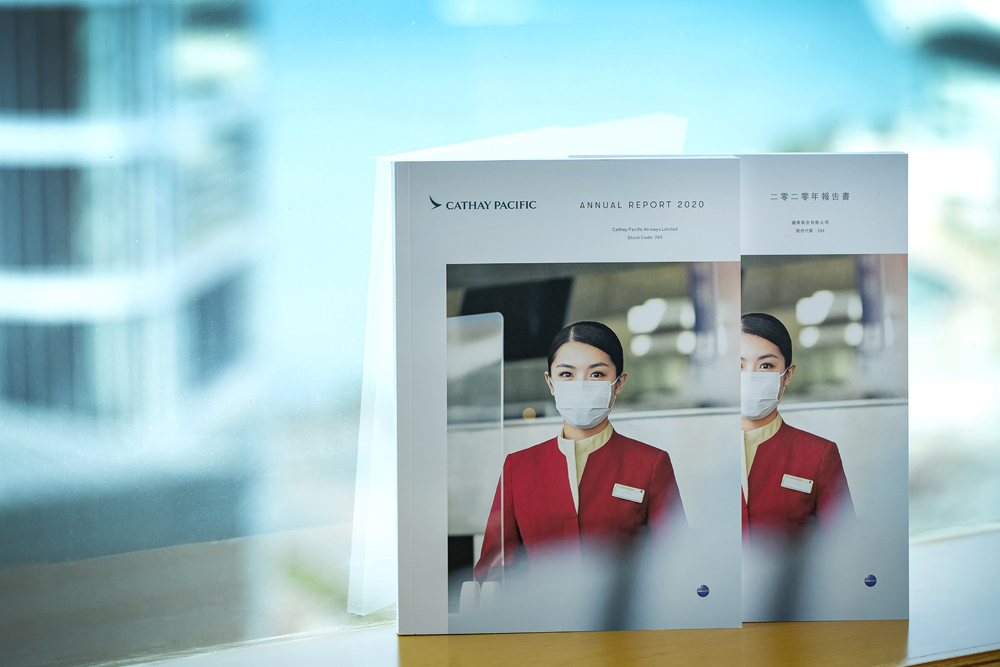
 2020 Annual Report (PDF)
 2020 Annual Results Analyst Briefing presentation
Swire Properties recorded a decrease in underlying profit from HK$24,130 million in 2019 to HK$12,679 million in 2020. The decrease principally reflected the reduction in profit arising from the sale of interests in investment properties in Hong Kong. Recurring underlying profit (which excludes the profit on sale of interests in investment properties) was HK$7,089 million in 2020, compared with HK$7,633 million in 2019. The decrease principally reflected higher losses from hotels due to COVID-19.
Recurring underlying profit from property investment was approximately the same as in 2019, despite the adverse effects of COVID-19. This principally reflected lower rental income from Hong Kong, largely offset by lower finance charges. In Hong Kong, lower rental income was principally due to lower residential and retail income, both being adversely affected by COVID-19. Hong Kong office rental income increased slightly. This was principally due to positive rental reversions and firm occupancy at Taikoo Place, partly offset by a loss of rental income from the Cityplaza Three and Four office towers (the sale of which was completed in April 2019). In the Chinese mainland, gross rental income increased slightly because of higher retail sales, partly offset by rental concessions due to COVID-19 and by lower office rental income. In the U.S.A., gross rental income decreased, mainly due to the loss of office rental income following the disposal of two office towers in July 2020. The underlying loss from property trading in 2020 related to residential units in the U.S.A. and marketing expenses at the developments in Hong Kong and Southeast Asia. All hotels, managed and non-managed, were badly affected by COVID-19. Higher losses were recorded.

Watch videos
2020 Annual Results Analyst Briefing
Other reference
 2020 Annual Report (PDF)
 2020 Analyst Briefing (PDF)
The Cathay Pacific Group experienced the most challenging 12 months of its more than 70-year history in 2020. COVID-19, and the resultant travel restrictions and quarantine requirements in place around the world, brought about an unprecedented disruption of the global air travel market and the repercussions have been huge. The International Air Transport Association (“IATA”) estimates that global passenger traffic will not return to pre-COVID-19 levels until 2024.
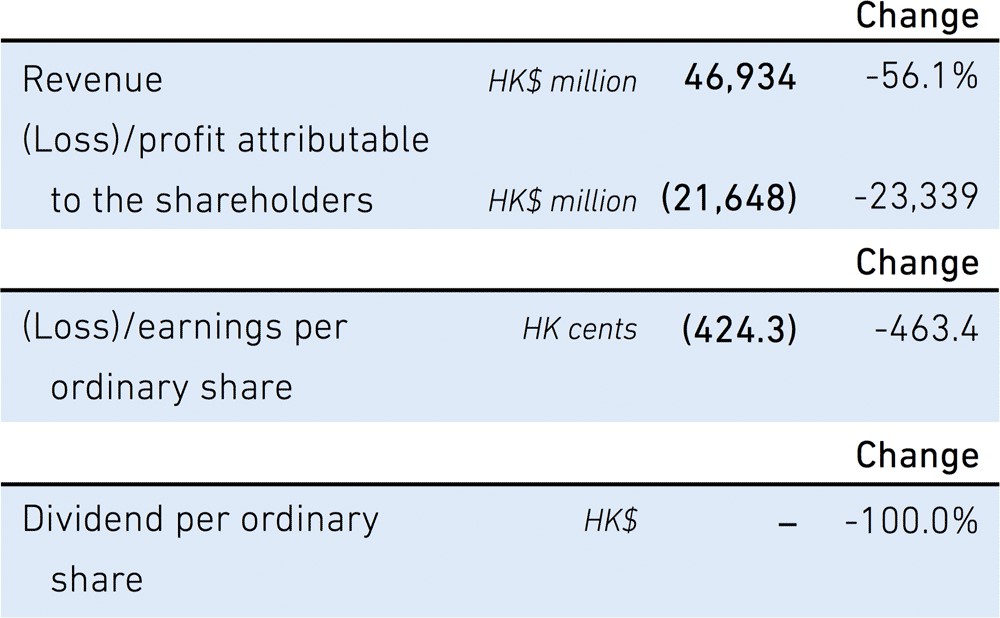
The Cathay Pacific Group’s attributable loss was HK$21,648 million in 2020 (2019: profit of HK$1,691 million). The loss per ordinary share in 2020 was HK424.3 cents (2019: earnings per ordinary share of HK39.1 cents). The Group’s attributable loss was HK$11,783 million in the second half of 2020 (2020 first half: loss of HK$9,865 million; 2019 second half: profit of HK$344 million). Cathay Pacific and Cathay Dragon reported an attributable loss of HK$10,032 million in the second half of 2020 (2020 first half: loss of HK$7,361 million; 2019 second half: loss of HK$434 million).
The loss for 2020 is net of the receipt of HK$2,689 million of COVID-19-related government grants globally and includes impairment and related charges of HK$4,056 million relating to 34 aircraft that are unlikely to re-enter meaningful economic service again before they retire or are returned to lessors and to certain airline service subsidiaries’ assets and HK$3,973 million of restructuring costs inclusive of a HK$1,590 million write off of a deferred tax asset at Cathay Dragon.
Since the onset of the pandemic, the Group's passenger revenues in 2020 declined to only 2-3% of 2019 levels. With demand at an all-time low, the Group drastically reduced its passenger schedule to just a bare skeleton and its operating capacity remained below 10% for much of 2020. The Group saw occasional pockets of demand, notably in the summer season with student travel from Hong Kong and the Chinese mainland to the UK and other destinations in Europe. Nonetheless, the 2020 summer season, which is usually the Group's peak period of the year, was incredibly difficult.
The Group's cargo business was by far the better performer, though it too was affected by the substantial contraction in capacity usually provided by the bellies of the Group's passenger aircraft. Yields increased and revenue improved due to the imbalance in the market between available capacity and demand. The Group increased cargo capacity by chartering services from its all-cargo subsidiary, Air Hong Kong, operating cargo-only passenger flights and carrying select cargo in the passenger cabins of some of its aircraft, and removing some seats in the Economy Class cabins of four Boeing 777-300ERs to provide further cargo space.
Watch videos
2020 Annual Results Analyst Briefing
Other reference
 2020 Annual Report (PDF)
 2020 Analyst Briefing (PDF)